English
 Hindi
Hindi
Prolonged use of alcohol can cause physical illnesses such as liver and heart disease and can also lead to a mental illness known as alcoholic dementia.
Alcohol-related dementia is caused by long-term, excessive consumption of alcoholic beverages. The root cause of alcohol dementia is abuse of this substance. All alcoholic beverages; beer, liquor, or wine, can lead to potentially deadly intoxication. Also, the toxic effects it has on the body and brain can be amplified by underlying medical conditions, genetic predispositions, and one’s overall state of health. These factors can drastically influence how an individual can handle frequent alcohol intoxication. It has a direct impact on brain cells, but those who overuse this mind-altering chemical often suffer from nutritional deficiencies. People, who abuse alcohol, tend not to eat properly which accounts for their nutritional deficiency and causes a great deal of damage to brain leading to alcoholic dementia.
The symptoms of alcohol dementia include: inability to recall and
learn new information, confusion, disorientatation, involuntary eye
movements, fear, increased drowsiness, unstable gait, hallucinations,
mood swings, time disorientation, involuntary jerky movements. Thus,
anyone of any age or any background can become addicted to alcohol, and
prolonged untreated abuse can lead to Dementia.
Alcoholism and Fertility
Women and males, both have male and female sex hormones. Male sex hormones are called testrosterone and female testosterone and female sex hormones are called estrogen. Both the hormones are necessary for healthy reproductive functioning. Women should avoid consuming alcohol while trying to conceive as it increases the body’s ability to eliminate testosteron from the blood, and partially because alcohol also increases the body’s natural ability to convert testosterone into estrogen. It is well known that women who drink alcohol during pregnancy may cause major health problems for their baby. Excessive alcohol consumption throughout pregnancy is teratogenic that causes birth defect, resulting in fetal alcohol syndrome (FAS). Drinking in pregnancy may increase risk of miscarriage, pre-term labor and delivery, rupturing of the placenta, and stillbirth. Women and men should not consume alcohol while trying to conceive. Various risks which are associated with alcohol consumption include lowered fertility among women and also lower sperm motility and concentration, as well as lowered chance of fertilization among men. Alcoholic beverages contain a lot of sugar and thus excessive sugar consumption decreases fertility by contributing to hormonal imbalance, insulin resistance, yeast infection, vitamin and mineral deficiency, and lowered immunity in both men and women. Also drinking alcohol around the time of ovulation lowers chance of successful conception.
Cold Turkey
The term ‘Cold Turkey’ refers to the sudden complete stoppage of the a drug by the drug addict without any medical treatment to counter the withdrawal symptoms. It is an unrelieved blunt procedure. It is a faster but unpleasant method of stopping an addiction of using any sort of drugs. Quitting drug abuse suddenly and abruptly, called “cold turkey,” carries very significant risks after immediately discontinuing the drugs. It is also not advisable if one has been using any drug in large amounts and/or for a long time, because they may suffer from extreme withdrawal symptoms. Generally quitting cold turkey ‘seems’ more appealing because it can be easier to avoid the drug entirely than to use moderately in a sustained way. But this type of quitting can be dangerous to do without professional help because of the way the nervous system has been adapted to certain high dependency drugs and abruptly taking these drugs out of one’s system can cause a variety of serious and potentially life-threatening medical conditions, including seizures and severe heart problems. Even drugs that have less dependence, such as Bhuki (crushed Poppy) and innocuous tobacco chewing can produce severe and unpleasant withdrawal symptoms that can make life uncomfortable and emotionally difficult. Another major danger of quitting cold turkey is that the body will quickly loses its tolerance to alcohol or drugs, so in case there is a relapse and one gets back to the usual consumption of the amount of the drug, he/she has a higher risk of overdose.
Decriminalization of Marijuana
There are numerous ways of referring to bhang or marijuana. The
scientific term for marijuana is cannabis. Terms like pot, hemp, herb,
reefer, ganja, and weed also refer to the same. A higher potency form of
marijuana is often called charas, hashish or hash. Other words like
joints, blunts, backwoods, buds, or bongs refer to the way that
marijuana is smoked. Marijuana is also often smoked in pipes or baked in
food, like brownies. In actual it is a plant whose scientific name is
Cannabis sativa whose leaves, seeds, stems, and/or roots are consumed by
marijuana users for the purpose of feeling intoxicated (“high”). It is
also the most commonly abused illegal substance worldwide. A lot of
debate is going on at the international as well as national arena so as
to legalize the same. Despite the debate, many countries have
decriminalized the use of the same. The terms decriminalization and
legalization are often used inter changeably and are also thought to be
the same but there lies a distinction. Decriminalization is a loosening
of criminal penalties imposed for personal marijuana use even though the
manufacturing and sale of the substance remain illegal. Under this, law
enforcement is instructed to look the other way when it comes to the
possession of small amounts of marijuana meant for personal use.
Legalization, is the lifting or abolishment of laws banning the
possession and personal use of marijuana.
If there will be lesser
penalties for its use, people will be encouraged to access and consume
the substance which can lead to more people using it and committing
crimes. But it’s medical use for multiple health symptoms/disease will
not be applicable.
Drug Addiction Treatment
The Drug addiction treatment is intended to help the individuals stop
compulsive drug seeking and use and to make them adjustive and
productive. As drug addiction is a long term disorder characterized by
occasional relapses, one-time treatment (short term) is usually not
sufficient. The management of Drug addiction is a long-term process
which involves multiple interventions and regular monitoring. Drug
addiction and Alcoholism is a chronic relapsing brain disorder
characterized by obsessive use of drug inspite of its harmful effects on
the body and mind.
Drug dependence is usually associated with
denial, rationalization and projection. These psychological defences
need to be resolved through motivational enhancement counselling.
Detox
is the first phashase of the treatment in which acute withdrawal
symptoms are managed through medication. Gradually with counselling,
Cognitive Behaviour Therapy (CBT), contigency management, the patient
gets stabilized on maintenace therapy. Thus, drug treatment includes
detox, behavioral therapy (CBT or contingency management), medications
their combination with rehabilitation and follow up. The specific type
of treatment or combination of treatments will vary depending on the
patient’s individual needs and, often, on the types of drugs they use.
The Akal De-addiction Centre at Baru Sahib, provides complete treatment
by highly qualified psychiatrists, psychologists along with nursing
staff. It is a quality service to provide the required services for
coping with drug cravings, teach ways to avoid drugs and prevent
relapse, and help individuals deal with relapse if it occurs.
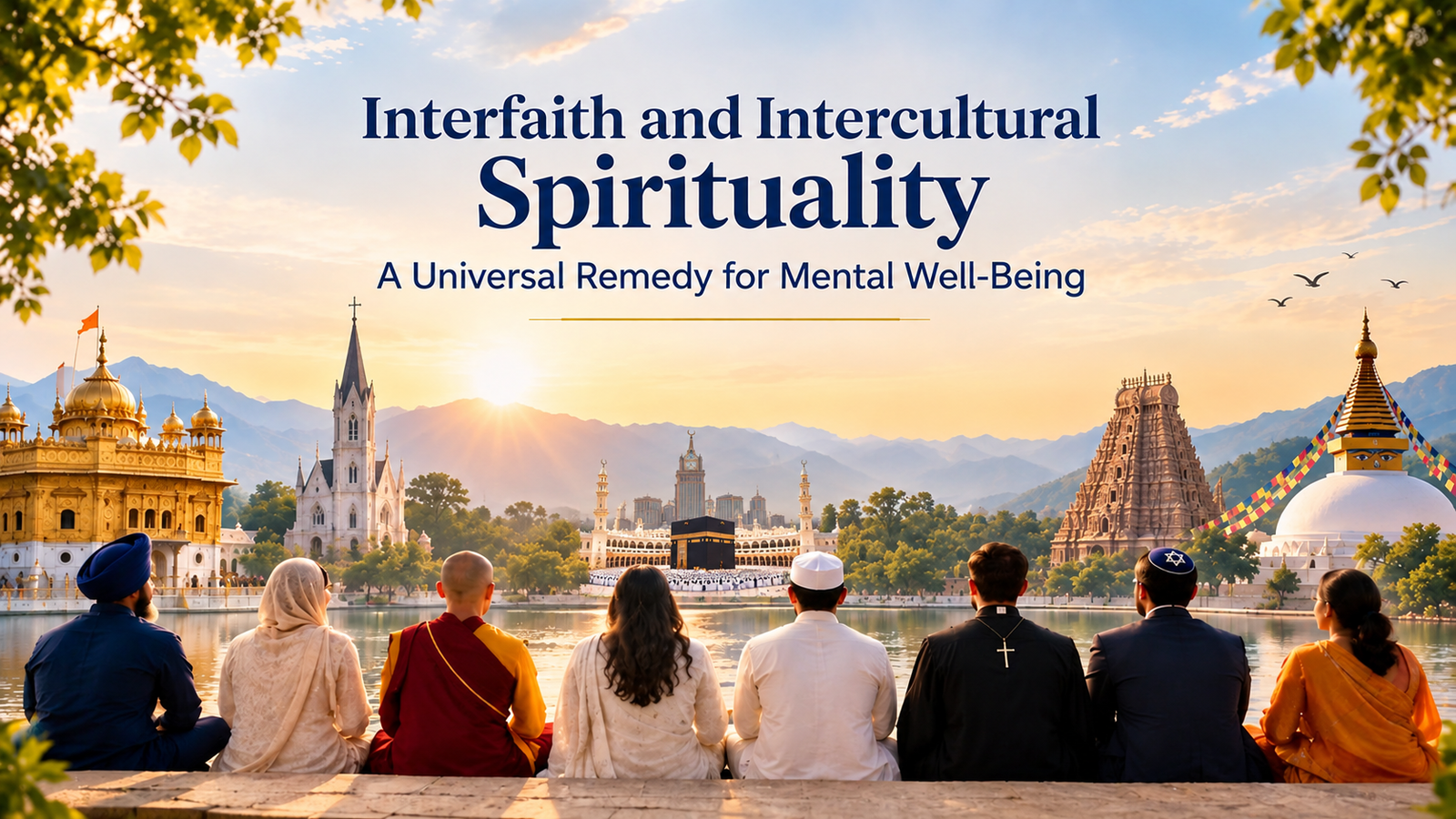
Role of Spirituality/Meditation in drug addiction treatment
It
is a established fact that drug addiction leads to feelings of
hopelessness, worthlessness and powerlessness. The practice of
spirituality provides a gateway to regain the power of being worthy of
living a life as a human being. It also refers to the recognition that
there is something greater than you – the power of nature or the
unending beauty of the universe.
Denial is widely considered to be a
severe problem for addicts and alcoholics. And it has been found out
that it’s difficult to remain in denial when practicing spirituality as
part of a daily recovery program. Spiritual involvement & positive
family environment are important factors for prevention and recovery of
drug addiction. Spiritual oriented such as Alcoholic Anonymous &
Narcotic Anonymous are widely popular & effective ways to deal with
the problem of drug addiction. Length of sobriety has been found to be
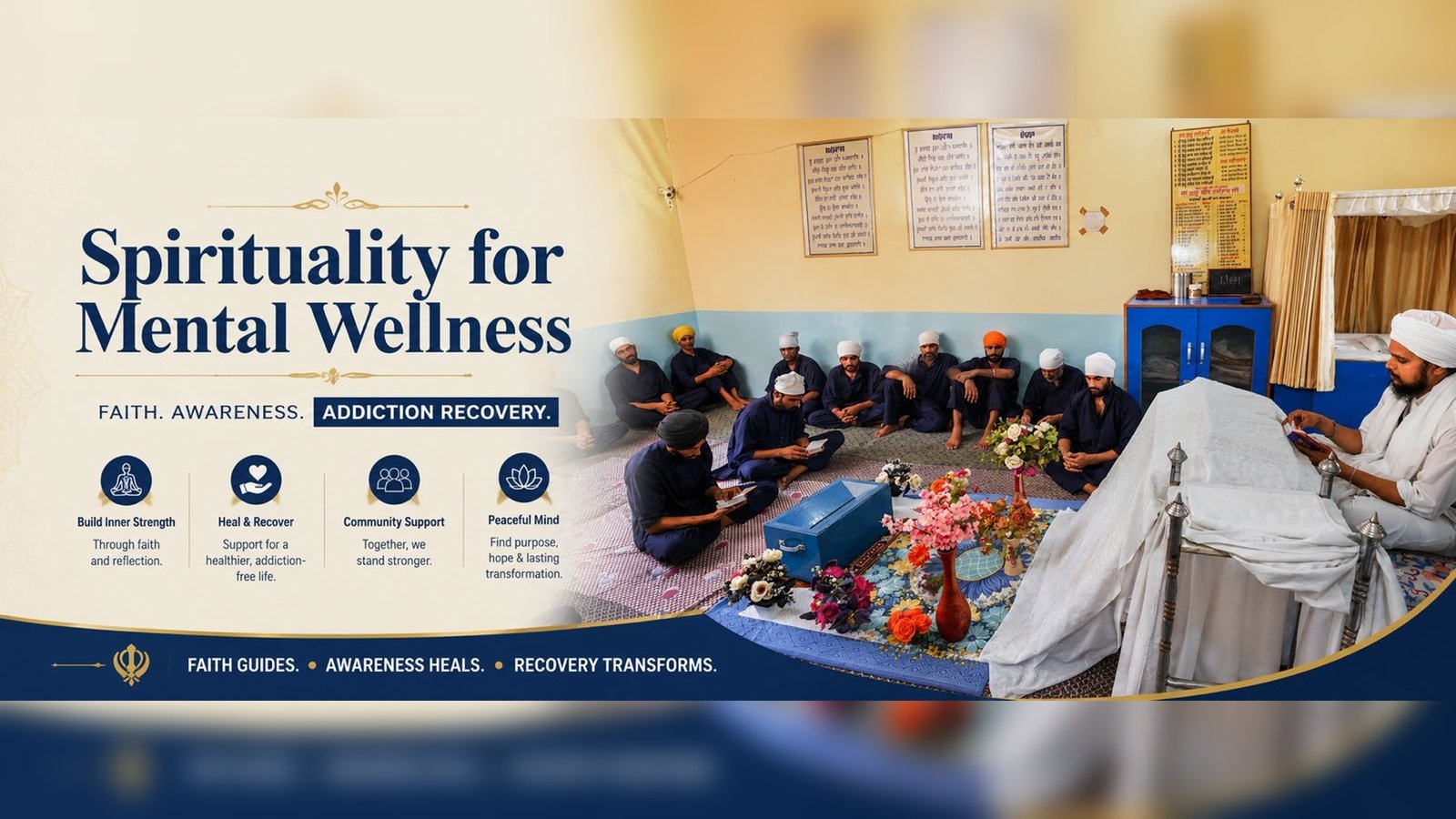
directly related to spirituality. The Akal Drug De-addiction Centre
which is located in the Valley of Divine Peace, Baru Sahib is a perfect
blend for rendering such a service where the medical psychiatric and
psychological
help is provided to the addicts along with the spiritual therapy that
helps them to gain insight and reach out for better life goals as human
beings.